
 By ADS International
“You’ve been brushing your teeth after every meal—breakfast, lunch, and dinner. But lately, you’ve noticed some gum sensitivity and wondered: Am I brushing too much? Could I be damaging my teeth?”
Good news: Brushing three times a day is not only safe—it’s actually beneficial when done correctly. The American Dental Association recommends brushing at least twice daily, but adding a third session after lunch can enhance your oral health.
In this guide, we’ll explore the science behind optimal brushing frequency, help you understand the difference between healthy habits and over-brushing, and show you how to maximize your oral care routine.
“At ADS Dental Hospital, Braces & Dental Hospital, we help patients develop personalized oral hygiene routines that protect their smiles for life.”
Table of Contents
No, brushing three times a day is not too much. In fact, it’s an excellent oral hygiene practice that can provide superior protection against cavities, gum disease, and bad breath.
The American Dental Association (ADA) recommends brushing twice daily as the minimum standard. However, many dental professionals advocate for brushing after every meal—ideally three times per day—to remove food particles and bacteria before they form harmful plaque.
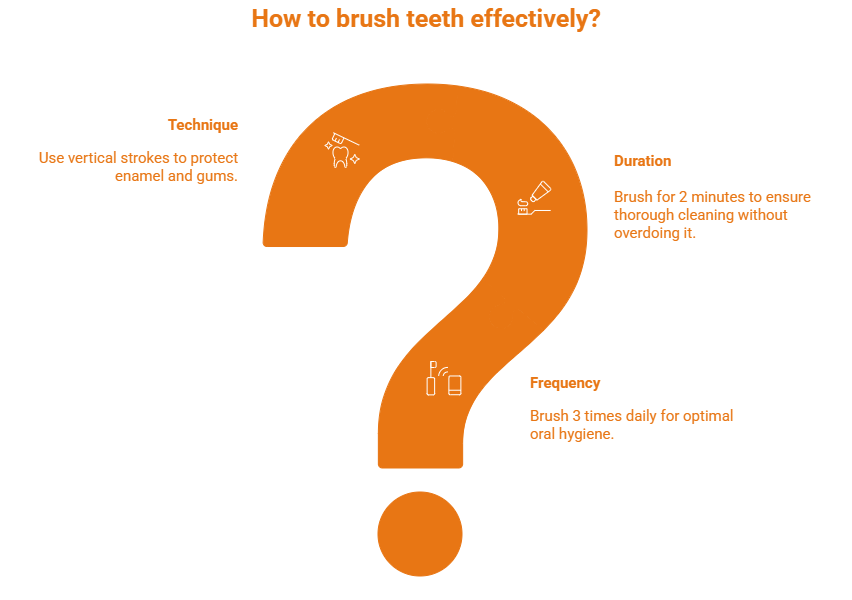
The concern about “too much brushing” isn’t really about frequency—it’s about technique. Over-brushing happens when you use improper technique, particularly when you use horizontal back-and-forth strokes instead of proper vertical strokes.
Critical Point: Brushing 3 times a day is safe and beneficial. Each session should be exactly 2 minutes—no more, no less. Use vertical strokes only, never horizontal strokes.
“At ADS Dental Hospital, Braces & Dental Hospital, our dental hygienists provide personalized brushing demonstrations to ensure you’re using the right technique. During your comprehensive dental exam, we assess your current oral hygiene practices and recommend adjustments tailored to your specific needs.”
Over-brushing doesn’t refer to how often you brush—it describes how you brush. Improper brushing technique can damage tooth enamel and irritate gums, regardless of whether you brush twice or three times daily.
- Receding gums or gum line notches
- Increased tooth sensitivity (especially to hot/cold)
- Bleeding gums after brushing
- Worn tooth enamel or visible dentin
- Frayed toothbrush bristles within 2-3 weeks
- Gum inflammation or irritation
Research shows that using horizontal scrubbing motions—not frequency—causes abrasion that wears away protective enamel and damages soft gum tissue. Vertical strokes are essential for protecting your teeth and gums.
“Concerned about over-brushing damage? ADS Dental Hospital, Braces & Dental Hospital offers comprehensive oral health assessments where we examine your teeth and gums for signs of improper brushing technique. Our dentists can identify enamel erosion, gum recession, or abrasion early—before they become serious problems. We’ll provide specific guidance on proper vertical stroke technique to protect your smile.”
Food particles and bacteria begin forming plaque within 20 minutes after eating. Brushing after each meal disrupts this process, preventing plaque buildup that leads to cavities and gum disease.
Three daily brushing sessions keep your mouth fresh throughout the day by removing odor-causing bacteria and food debris. This is especially important after consuming garlic, onions, coffee, or other strong-smelling foods.
Regular brushing prevents stains from coffee, tea, red wine, and berries from setting into tooth enamel. The more frequently you brush, the less opportunity these substances have to discolor your teeth.
Better Gum Health
Consistent plaque removal protects gum tissue from inflammation (gingivitis) and more serious periodontal disease. Three times daily provides optimal protection for your gums.
Improved Overall Health
Research links poor oral health to serious systemic conditions including heart disease, diabetes, respiratory infections, and stroke. Maintaining excellent oral hygiene through regular brushing supports your total body wellness.
Studies show that people who brush three times daily have significantly fewer cavities than those who brush only once or twice. The additional cleaning session provides measurably better protection.
For patients with braces, Invisalign, or other orthodontic appliances, three times daily is essential to prevent food from getting trapped and causing decay around brackets.
“At ADS Dental Hospital, Braces & Dental Hospital, we take a whole-health approach to dentistry. During your preventive care visits, we don’t just clean your teeth—we educate you about the connection between oral health and overall wellness.
Our team includes specialists in periodontics, orthodontics, and cosmetic dentistry who can address all aspects of your oral health.
Want whiter teeth? Ask us about our professional whitening treatments that work even better when combined with proper daily care.”
Braces, retainers, and aligners trap food particles easily. Three times daily is essential to prevent decay around brackets and maintain treatment progress.
Important: Orthodontic patients must use specialized orthodontic brushes designed to clean around brackets and wires. Water floss is essential for orthodontic treatment—it reaches areas that regular brushing cannot access.
If you’re prone to cavities, have a history of dental decay, or consume frequent sugary snacks, brushing after every meal provides crucial protection.
People with gingivitis or periodontal disease need more frequent plaque removal to manage their condition and prevent progression.
If you enjoy multiple cups of coffee or tea daily, brushing three times helps prevent significant staining.
Tobacco users face higher risks for gum disease, tooth decay, and oral cancer. Three daily brushings help mitigate some of these risks (though quitting is best).
Medications, age, or medical conditions can reduce saliva production. Without saliva’s natural cleansing action, three times daily brushing becomes more important.
“ADS Dental Hospital, Braces & Dental Hospital specializes in customized care plans for patients with specific needs. Our orthodontic department works closely with patients to develop oral hygiene routines that protect teeth during treatment, including proper use of orthodontic brushes and water floss.
If you have gum disease, our periodontal specialists create comprehensive management plans that may include more frequent professional cleanings alongside your home care routine. Schedule a consultation to discuss your specific risk factors and get personalized recommendations.”
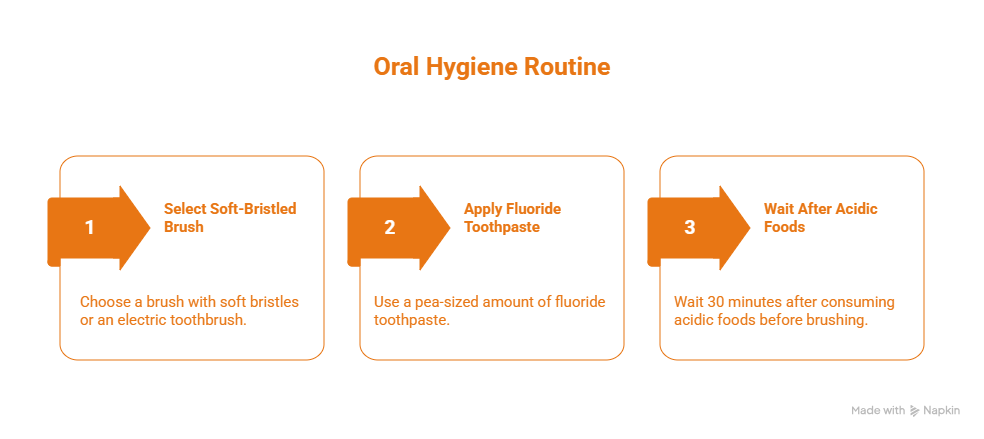
1. Positioning: Hold your brush at a 45-degree angle to your gums
2. Motion: Use vertical strokes ONLY—never use horizontal back-and-forth scrubbing motions
3. Coverage: Brush outer surfaces, inner surfaces, and chewing surfaces
4. Time: Brush for exactly 2 minutes total—this is sufficient and ideal
5. Tongue: Gently brush your tongue from back to front
6. Pressure: Use light pressure—let the bristles do the work
- Horizontal scrubbing motion (use vertical strokes only)
- Brushing longer than 2 minutes (2 minutes is enough)
- Hard-bristled brushes that damage enamel
- Brushing immediately after vomiting or consuming acidic foods
- Using too much toothpaste (more isn’t better)
- Rushing through the process
- Electric toothbrushes with pressure sensors
- Timers (most electric brushes have built-in 2-minute timers)
- Soft or extra-soft bristle brushes
- ADA-approved fluoride toothpaste
- Orthodontic brushes (for patients with braces)
- Water floss device (essential for orthodontic patients)
If you have braces or other orthodontic appliances, you must use orthodontic brushes specifically designed to clean around brackets and wires. Water floss is essential for orthodontic treatment—it effectively removes food particles and plaque from areas that regular brushing and traditional floss cannot reach.
“Not sure if you’re brushing correctly? At ADS Dental Hospital, Braces & Dental Hospital, we offer complimentary brushing technique consultations during your regular checkups. Our dental hygienists use disclosing tablets to show you exactly where you’re missing plaque, then provide hands-on instruction to improve your technique.
We demonstrate proper vertical stroke technique and can recommend the best brushes and products for your specific needs—whether you prefer manual or electric, have sensitive teeth, or need specialized orthodontic care. Many patients are surprised to learn they’ve been using harmful horizontal strokes for years!”
Brushing only cleans 60% of tooth surfaces. Floss daily—ideally after each brushing session for best results—to remove plaque between teeth where brushes can’t reach. Flossing along with brushing provides even better protection for your oral health.
Water floss (also called water irrigators) uses pressurized water to clean between teeth and along the gum line. It’s highly effective and essential for orthodontic patients, as it can clean around brackets, wires, and other appliances where traditional floss struggles to reach.
An antimicrobial or fluoride mouthwash adds extra protection. Use it after brushing or at different times for maximum benefit.
Drinking water throughout the day rinses away food particles and maintains saliva production, which naturally protects teeth.
Limit sugary snacks and acidic beverages. When you do indulge, brush 30 minutes afterward (or rinse with water immediately).
Change toothbrushes every 3-4 months, or sooner if bristles become frayed.
Even with excellent home care, professional cleanings every six months remove calculus (hardened plaque) that brushing can’t eliminate.
“At ADS Dental Hospital, Braces & Dental Hospital, we believe prevention is the foundation of excellent oral health. Our comprehensive preventive care program includes:
- Professional Cleanings: Deep cleanings by experienced hygienists
- Oral Cancer Screenings: Early detection saves lives
- Fluoride Treatments: Extra protection for high-risk patients
- Dental Sealants: Protect vulnerable molars from decay
- Personalized Home Care Plans: Customized to your lifestyle and needs
- Nutritional Counseling: Learn which foods support dental health
- Orthodontic Care Guidance: Proper use of orthodontic brushes and water floss
Our preventive care memberships make it easy and affordable to maintain your oral health year-round. Ask about our family plans!”
Q: Can you brush too much?
It’s about technique, not frequency. Brushing three times daily with proper vertical strokes for exactly 2 minutes each time is safe and beneficial. The problem arises when people use horizontal strokes or brush longer than necessary.
Q: Should children brush three times a day?
Yes, once children can brush independently (around age 6-7), three times daily is excellent. Supervise younger children and teach them proper vertical stroke technique with age-appropriate fluoride amounts.
Q: Are electric toothbrushes better for frequent brushing?
Electric toothbrushes with pressure sensors and 2-minute timers can help ensure proper technique. They’re effective and often easier to use correctly than manual brushes, automatically guiding you to use proper vertical motions.
Q: How long should each brushing session last?
Exactly 2 minutes is ideal and sufficient. Brushing longer (like 5+ minutes) doesn’t provide additional benefits and is unnecessary when using proper vertical stroke technique.
Q: What if I can’t brush after lunch at work?
If brushing isn’t feasible, rinse thoroughly with water, chew sugar-free gum with xylitol, or use disposable teeth wipes. But try to brush morning and night at minimum with proper technique.
Q: Why are vertical strokes better than horizontal strokes?
Vertical strokes clean effectively without damaging tooth enamel or irritating gums. Horizontal back-and-forth scrubbing causes abrasion, wearing away protective enamel and causing gum recession over time.
Q: Is water floss better than traditional floss?
Both are effective. Water floss is especially beneficial and essential for orthodontic patients because it can clean around brackets, wires, and other appliances more effectively than traditional string floss. Using floss (either type) along with brushing provides optimal oral health protection.
“Have more questions? The ADS Dental Hospital, Braces & Dental Hospital team is here to help. Call us or book an appointment online. We offer virtual consultations for patients who want quick answers to their oral health questions.”
- Persistent gum bleeding despite proper brushing technique
- Increasing tooth sensitivity
- Visible gum recession or tooth wear
- Chronic bad breath that doesn’t improve
- Questions about your personal risk factors
- Need for orthodontic or cosmetic treatments
- Difficulty cleaning around orthodontic appliances
| S.NO | Treatment |
| 1. | Gum Disease Treatment: Comprehensive periodontal care |
| 2. | Restorative Dentistry: Repair damage from improper brushing technique |
| 3. | Cosmetic Solutions: Fix worn enamel, reshape gums |
| 4. | Orthodontics: Braces and Invisalign with proper care guidance, including orthodontic brush and water floss training |
| 5. | Pediatric Dentistry: Teaching children lifelong healthy habits with proper vertical stroke technique |
| 6. | Sedation Options: For anxious patients who’ve avoided care |
“ADS Dental Hospital, Braces & Dental Hospital brings together specialists across all dental disciplines under one roof. This means if you need periodontal treatment, cosmetic restoration, or orthodontic care, you won’t be shuffled between different offices. Our collaborative approach ensures comprehensive care that addresses all your needs efficiently.”
Brushing three times a day is not too much—it’s a smart choice for optimal oral health. The secret is using proper technique: soft-bristled brush, vertical strokes only, and exactly 2 minutes per session.
Remember that frequency doesn’t cause problems; improper technique does. Pay attention to warning signs like sensitivity or bleeding, and ensure you’re using vertical strokes exclusively—never horizontal strokes.
- Evaluate your current brushing technique—switch to vertical strokes if needed
- Invest in a quality soft-bristled or electric toothbrush with a 2-minute timer
- Commit to three daily brushing sessions of exactly 2 minutes each
- Floss daily (water floss is essential for orthodontic patients)
- If you have braces, use orthodontic brushes and water floss
- Schedule regular professional cleanings
Ready to achieve your healthiest smile? ADS Dental Hospital, Braces & Dental Hospital is your partner in comprehensive oral care. Whether you need a routine cleaning, have concerns about your brushing habits, want to learn proper vertical stroke technique, need orthodontic care with water floss training, or want to explore cosmetic improvements, our experienced team is here to help.
Contact us today to schedule your appointment and take the first step toward optimal oral health!