
 By ADS International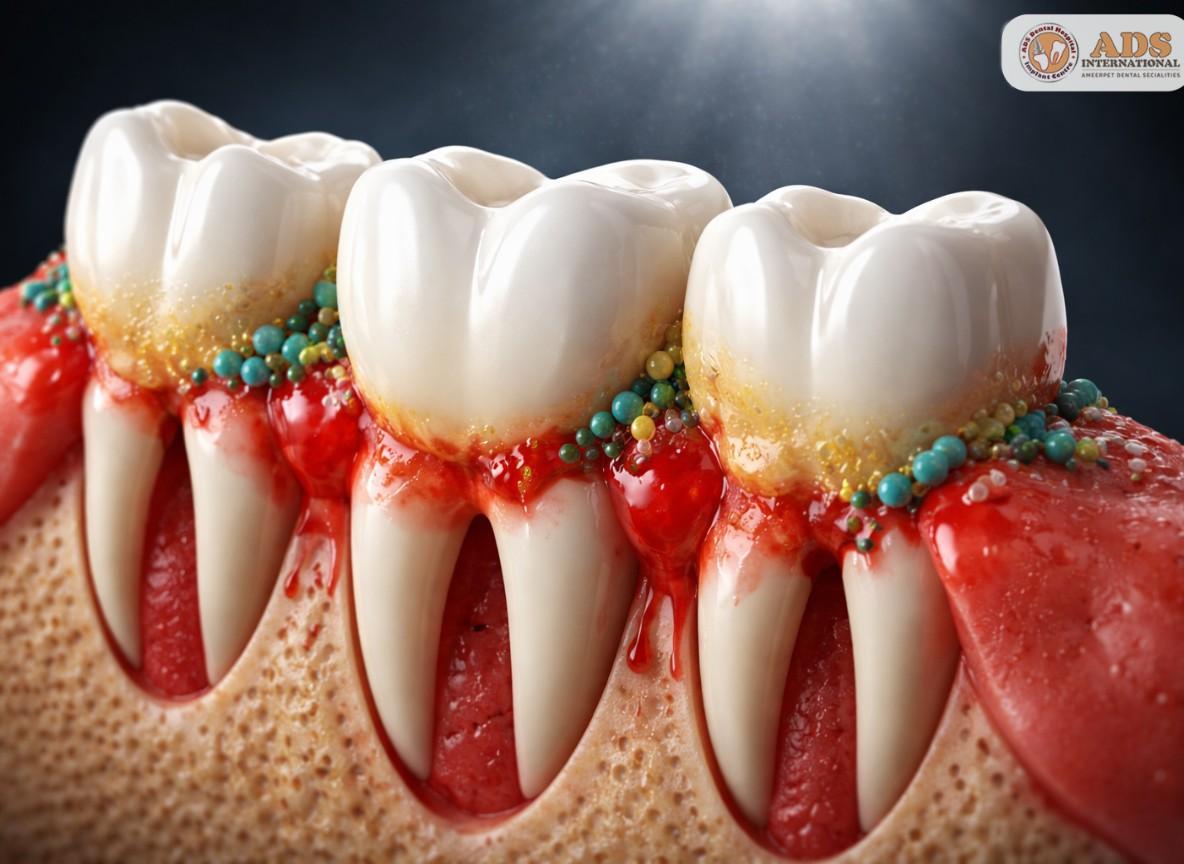
Bleeding gums causes and treatment is a common dental concern that many people experience while brushing or flossing. Bleeding gums usually indicate irritation, infection, or poor oral hygiene. Therefore, identifying the exact cause helps prevent serious gum problems. Early diagnosis also protects teeth and improves overall oral health.
Healthy gums should appear pink and firm. They should not bleed during brushing or flossing. However, several factors may cause gum inflammation and bleeding. Dentists at ADS Dental Hospital provide advanced gum care treatments that address the root cause of bleeding gums.
Modern dentistry offers safe solutions that restore gum health and prevent long-term dental complications. Understanding causes and treatment for bleeding gums helps patients take timely action and maintain strong gums.
Bleeding gums occur when gum tissues become inflamed. In most cases, plaque buildup triggers the inflammation. Plaque contains bacteria that irritate gum tissues. As a result, gums become red, swollen, and sensitive.
Initially, gum bleeding may appear mild. However, ignoring the problem can lead to serious gum disease. Gingivitis is the earliest stage of gum disease. At this stage, treatment is simple and highly effective.
If untreated, gingivitis may progress to periodontitis. This advanced condition damages the tissues and bone supporting teeth. Consequently, teeth may become loose or fall out.
Therefore, recognising early symptoms is essential. Some common warning signs include:
- Bleeding during brushing
- Swollen or red gums
- Persistent bad breath
- Tender gum tissues
- Receding gum line
Regular dental check-ups help detect gum problems early. Professional care prevents minor issues from turning into severe gum disease.
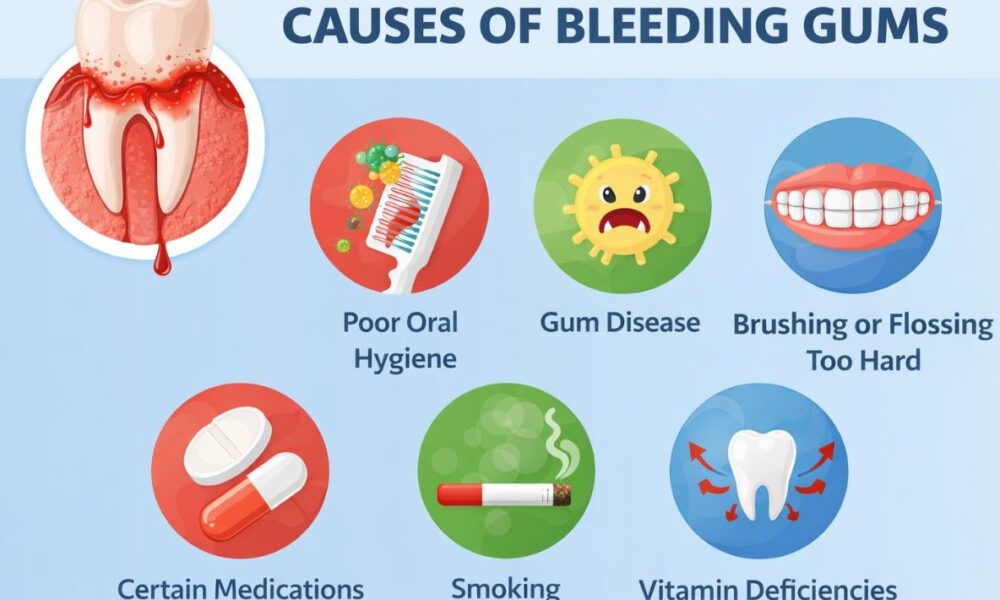
Several factors contribute to gum bleeding. Identifying these causes helps dentists recommend the correct bleeding gums treatment.
Gingivitis is the most common cause of bleeding gums. It develops when plaque accumulates along the gum line. Bacteria irritate the gums and cause inflammation.
Fortunately, gingivitis can be treated easily with professional dental cleaning and improved oral hygiene.
Untreated gingivitis can develop into periodontitis. This stage damages gum tissues and bone structure. Patients may experience severe gum bleeding, bad breath, and loose teeth.
Advanced gum infections require specialised dental treatment.
Irregular brushing and flossing allow bacteria to grow around teeth. Over time, plaque hardens into tartar. Tartar irritates gums and causes bleeding.
Dentists remove tartar through professional cleaning procedures.
Brushing teeth too hard can injure gum tissues. Using a hard-bristled toothbrush also damages sensitive gums.
Dentists usually recommend a soft-bristle toothbrush for gentle cleaning.
A lack of Vitamin C or Vitamin K can weaken gum tissues. As a result, gums may bleed easily. A balanced diet supports healthy gums and teeth.
Hormonal fluctuations during pregnancy, puberty, or menstruation may increase gum sensitivity. These changes can cause gum swelling and bleeding.
Treatment depends on the severity of the gum condition. Dentists first diagnose the underlying cause before recommending therapy.
At ADS Dental Hospital, dentists use advanced dental techniques to treat gum diseases safely.
Professional cleaning removes plaque and tartar from teeth. This treatment helps reduce gum inflammation and bleeding.
Regular cleaning also prevents gum disease progression.
Dentists perform deep cleaning when plaque spreads below the gum line. Scaling removes bacteria from tooth roots. Root planing smooths the root surface and prevents further infection.
This procedure improves gum attachment to teeth.
Dentists may prescribe antibacterial mouthwash or antibiotics. These medications control infection and support gum healing.
Modern dental clinics sometimes use laser technology for gum treatment. Laser therapy targets infected tissues with minimal discomfort.
Patients usually experience faster healing with this method.
Maintaining proper oral hygiene plays a major role in preventing gum bleeding. Healthy habits reduce plaque formation and protect gum tissues.
- Brush your teeth twice daily using fluoride toothpaste.
- Use a soft-bristled toothbrush to protect gums.
- Floss daily to remove plaque between teeth.
- Rinse with an antibacterial mouthwash.
- Visit your dentist every six months.
Additionally, drinking enough water helps wash away bacteria from the mouth.
A nutritious diet supports gum health. Include the following foods:
- Citrus fruits rich in Vitamin C
- Leafy green vegetables
- Dairy products for calcium
- Nuts and seeds for essential nutrients
Avoid excessive sugary foods because bacteria thrive on sugar.
Many people ignore gum bleeding until pain develops. However, early dental consultation prevents serious complications.
You should visit a dentist if:
- Bleeding continues for more than one week
- Gums appear swollen or painful
- Teeth feel loose
- Pus appears around gums
- Bad breath persists despite brushing
Professional dental evaluation identifies the exact cause and provides effective treatment.
Dentists at ADS Dental Hospital examine the gums carefully and create personalised treatment plans for each patient.
Choosing the right dental clinic improves treatment results. Modern dental technology and experienced specialists ensure better gum care.
Patients visiting ADS Dental Hospital receive:
- Advanced gum disease diagnosis
- Safe and painless dental procedures
- Personalised treatment plans
- Affordable dental services
- Modern dental equipment
The dental team focuses on preventive care and patient education. This approach helps patients maintain healthy gums for many years.
1. What is the main cause of bleeding gums?
The most common cause of bleeding gums is gingivitis. Plaque buildup irritates gums and causes inflammation.
2. Can bleeding gums heal naturally?
Mild gum bleeding may improve with proper brushing and flossing. However, persistent bleeding requires dental evaluation.
3. How long does bleeding gums treatment take?
Early gum disease usually improves within one to two weeks after professional cleaning and improved oral care.
4. Is bleeding during flossing normal?
Occasional bleeding may occur if you recently started flossing. Continuous bleeding indicates gum inflammation.
5. How can I prevent bleeding gums permanently?
Maintain proper oral hygiene, eat a balanced diet, and visit a dentist regularly for professional cleaning.
6. Are bleeding gums a sign of serious dental problems?
Yes. Persistent bleeding may indicate gum disease, which can damage teeth and bone if untreated.