
 By ADS International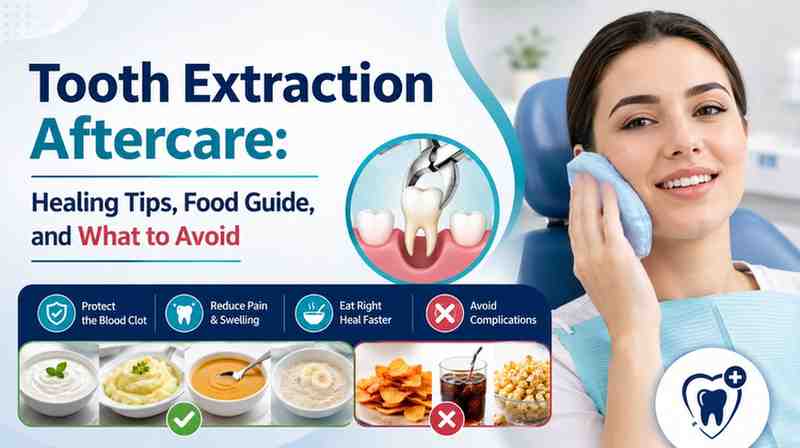
Proper tooth extraction aftercare is essential for smooth recovery, effective pain management, and preventing complications like dry socket. After a tooth is removed, a blood clot forms in the socket to protect the underlying bone and nerves. Protecting this blood clot is the foundation of successful healing after tooth extraction.
Whether you’ve undergone a simple extraction or wisdom tooth removal, following the right post-extraction care significantly reduces swelling, bleeding, infection risk, and discomfort.
Once the tooth is extracted, your dentist places gauze on the site to control bleeding. Some bleeding, swelling, and mild discomfort are normal in the first 24–48 hours. Your dentist may prescribe painkillers, antibiotics, or specific instructions based on the complexity of the procedure.
The American Dental Association recommends avoiding anything that creates suction or pressure on the socket during the initial healing phase.
The first day is the most important period in tooth extraction recovery. Your primary goal is to protect the blood clot.
- Keep biting on the gauze as instructed.
- Replace gauze if bleeding persists and apply gentle pressure.
- Rest and avoid physical exertion.
- Do not spit forcefully, rinse vigorously, smoke, use a straw, or touch the socket with your tongue or fingers.
Tip: Apply a cold compress on the cheek (10–15 minutes on, 10–15 minutes off) to minimize swelling after tooth extraction. Avoid hot beverages on day one, as heat can increase bleeding.
Choosing the right diet supports faster healing and prevents irritation. Focus on soft, cool, and nutritious foods, especially in the first few days.
- Curd (yogurt)
- Soft rice and khichdi
- Mashed potatoes and dal
- Smoothies (without straw)
- Soft idli and upma
- Lukewarm (not hot) soups
- Bananas and other soft fruits
- Protein shakes or paneer bhurji (mashed)
Stay well hydrated with plain water. These options are gentle on the extraction site while providing necessary nutrition.
Foods to Strictly Avoid:
- Hard, crunchy items (chips, nuts, popcorn, hard biscuits)
- Spicy curries and heavily seasoned foods
- Sticky foods (chewing gum, caramel)
- Foods with small seeds that can get lodged in the socket
- Very hot drinks and foods
Avoid chewing on the extraction side until your dentist confirms it’s safe.
Maintaining cleanliness is crucial to prevent infection, but gentleness is key.
- First 24 hours: No rinsing at all.
- From day 2 onwards: Use gentle warm salt water rinses (½ teaspoon salt in a glass of warm water). Let the solution flow naturally rather than swishing forcefully.
- Brush other teeth normally but avoid the extraction area until healed.
- Follow your dentist’s exact oral care instructions.
Mild to moderate pain after tooth extraction usually peaks within 24–48 hours and then gradually decreases. Use prescribed medications only — never place painkiller tablets directly on the gums.
Swelling is common and can be controlled with cold compresses in the first 48 hours. After that, warm compresses may help improve blood flow. If swelling or pain increases after 3 days, contact your dentist immediately.
Dry socket (alveolar osteitis) is one of the most painful complications after wisdom tooth removal or any extraction. It occurs when the blood clot dislodges or fails to form, exposing bone and nerves.
- Severe, throbbing pain starting 1–3 days after extraction
- Pain radiating to ear, jaw, or temple
- Bad breath or unpleasant taste
- Visible empty socket
If you experience these signs, visit your dentist right away. They will clean the area and place a medicated dressing for relief.
To ensure optimal healing:
- Smoking and tobacco — significantly increases dry socket risk
- Alcohol (especially while on medication)
- Straws (suction dislodges the clot)
- Vigorous exercise, heavy lifting, or bending for 48–72 hours
- Poking the socket with tongue, fingers, or objects
Seek immediate help if you notice:
- Heavy bleeding that doesn’t stop with pressure
- Severe or worsening pain
- Increasing swelling after 3 days
- Fever, pus, or foul smell
- Difficulty breathing, swallowing, or opening your mouth
- First 24–48 hours: Blood clot formation
- 3–7 days: Initial soft tissue healing
- 1–2 weeks: Most discomfort subsides
- 4–8 weeks: Bone and gum healing (varies by case)
Complete healing can take a few months depending on whether it was a simple or surgical extraction.
Successful tooth extraction aftercare revolves around protecting the blood clot, eating soft nutritious foods, maintaining gentle hygiene, and avoiding harmful habits. While mild discomfort is normal, severe symptoms should never be ignored.
With proper care, most patients recover comfortably and avoid complications like dry socket.
Critical First 24 Hours After Tooth Extraction
The first day is the most important period in tooth extraction recovery. Your primary goal is to protect the blood clot.
● Keep biting on the gauze as instructed.
● Replace gauze if bleeding persists and apply gentle pressure.
● Rest and avoid physical exertion.
● Do not spit forcefully, rinse vigorously, smoke, use a straw, or touch the socket with your tongue or fingers.
● Avoid gargling for 3 days, as forceful rinsing can disturb the blood clot and delay healing.
● Do not consume hot or hard foods for at least 3 days to prevent irritation, bleeding, and discomfort.
● Avoid drinking cool drinks with a straw for 3 days because the suction may dislodge the clot and increase the risk of dry socket.
● Avoid loud shouting or excessive talking for 3 days to reduce strain and irritation around the extraction area.
Tip: Apply a cold compress on the cheek (10–15 minutes on, 10–15 minutes off) to minimize swelling after tooth extraction. Avoid hot beverages on day one, as heat can increase bleeding.
Foods to Strictly Avoid:
● Hard, crunchy items (chips, nuts, popcorn, hard biscuits)
● Spicy curries and heavily seasoned foods
● Sticky foods (chewing gum, caramel)
● Foods with small seeds that can get lodged in the socket
● Very hot drinks and foods
● Hard foods for at least 3 days after extraction
Avoid chewing on the extraction side until your dentist confirms it’s safe.
For safe tooth extraction and comprehensive aftercare guidance, trust experienced professionals. ADS Dental Hospital in Ameerpet and Gachibowli, Hyderabad offers advanced dental services including wisdom tooth removal, painless procedures, dental implants, and more.
With over 25 years of experience and a patient-first approach, their team ensures comfortable extractions and clear post-extraction instructions.
+91-9885012444
+91-7330621059
+91-9989691114
Email:info@adsdentalhospitals.com
1. How long does it take to heal after tooth extraction?
Initial healing begins in a few days, but complete gum and bone healing may take 4–8 weeks or longer depending on the case.
2. What are the best foods after tooth extraction?
Soft foods like curd, khichdi, mashed dal, banana, soft idli, and lukewarm soups are ideal. Avoid hard, spicy, and crunchy foods.
3. Can I brush my teeth after extraction?
Yes, but gently brush only the other teeth. Avoid the extraction site until advised by your dentist.
4. When can I start rinsing after tooth extraction?
Avoid rinsing for the first 24 hours. Start gentle warm salt water rinses from the next day.
5. What does dry socket feel like?
Intense pain 1–3 days after extraction, bad taste, bad breath, and an empty-looking socket. Immediate dental visit is necessary.