
 By ADS International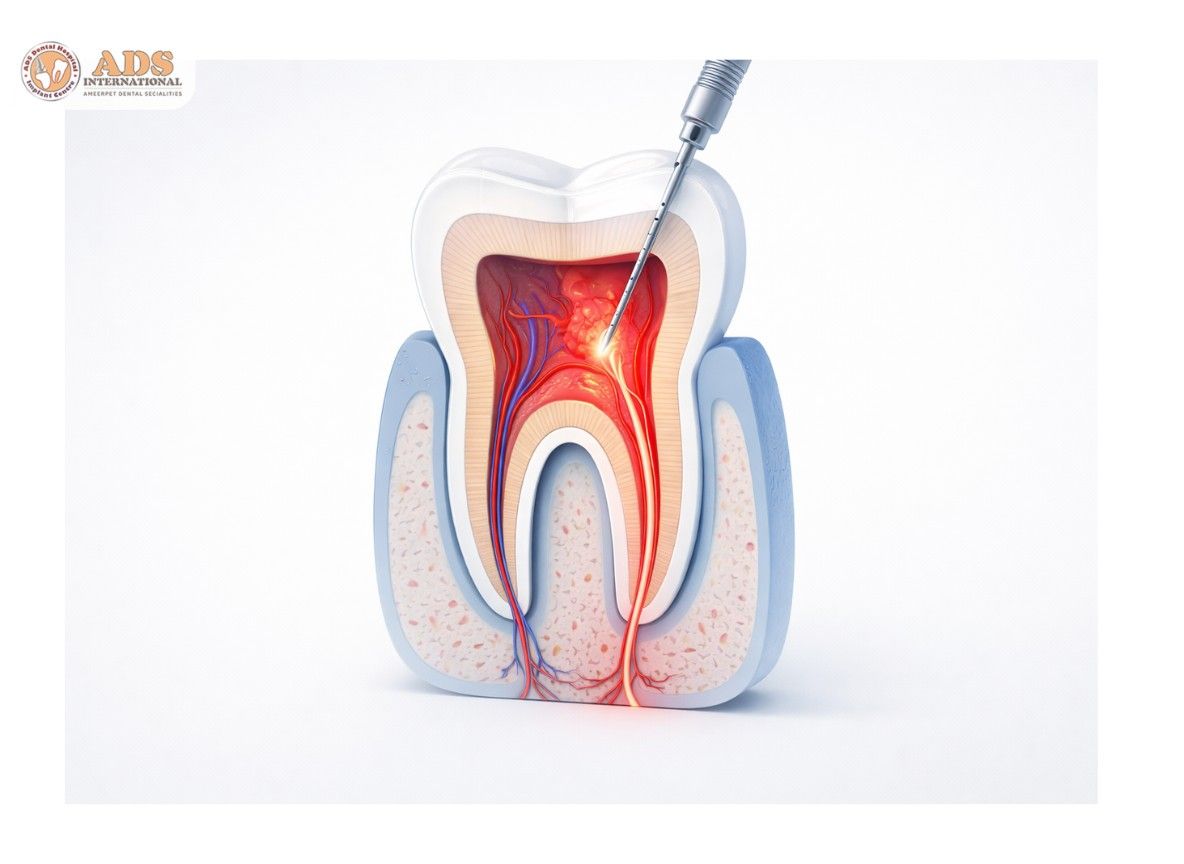
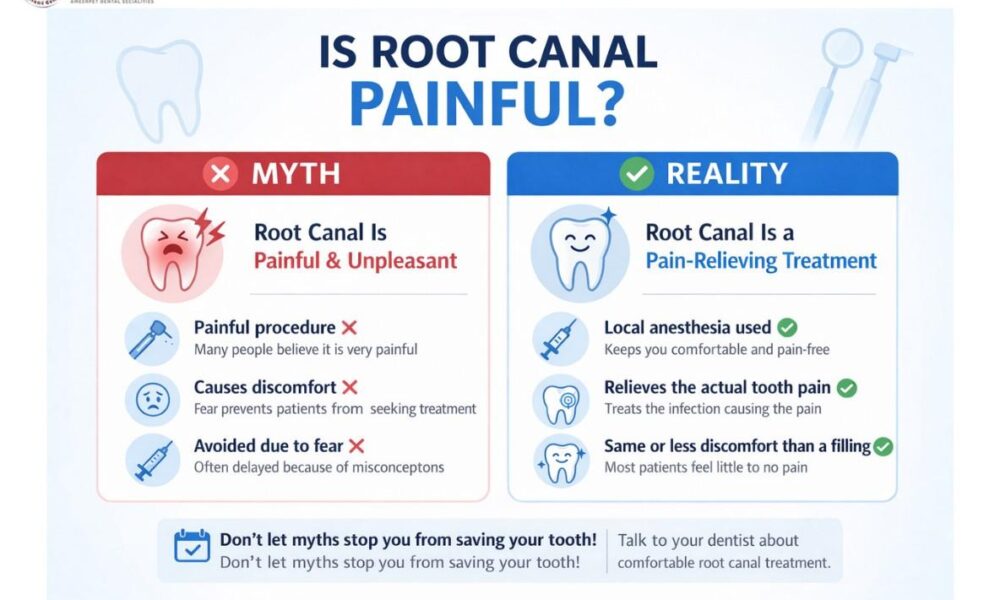
Is root canal painful? This is one of the most common concerns among dental patients. However, modern root canal treatment is almost painless and highly comfortable. In fact, the procedure removes infection and relieves severe toothache.
Many people fear dental pain because of old myths. Yet, technology has changed the experience completely. Today, dentists use advanced anesthesia and precision tools. Therefore, patients feel minimal discomfort during treatment.
Root canal treatment, also known as endodontic therapy, removes infected pulp from inside the tooth. After cleaning the canals, the dentist seals the tooth carefully.
This treatment saves the natural tooth. Moreover, it prevents bacteria from spreading further. As a result, patients avoid tooth extraction and future complications.
Most patients feel pressure but not sharp pain during the procedure. Dentists numb the area completely using local anesthesia. Because of this, treatment becomes comfortable.
Additionally, modern rotary instruments clean the canals smoothly. Therefore, procedure time reduces and efficiency improves.
During treatment, you may notice:
- Mild vibration
- Gentle pressure
- Temporary numbness
You will not feel severe pain. If discomfort occurs, the dentist adjusts the anesthesia immediately.
Some patients experience mild soreness after the procedure. However, this discomfort usually lasts only two to three days.
Pain happens because surrounding tissues begin healing. Therefore, slight tenderness while chewing feels normal. Dentists prescribe pain relief medication to manage this temporary phase.
- Take prescribed medicines regularly.
- Avoid chewing hard food for a few days.
- Maintain good oral hygiene.
- Attend follow-up appointments as advised.
These steps support faster healing and better results.
Dental technology has improved significantly in recent years. As a result, root canal procedures are safer and smoother.
- Digital X-rays for accurate diagnosis
- Rotary endodontic instruments
- Apex locators for precise measurements
- Laser-assisted canal disinfection
Dentists now prioritise patient comfort. They apply topical numbing gels before injections. Moreover, they use gentle techniques to minimise anxiety.
Clinics may provide:
- Calm consultation sessions
- Friendly communication
- Step-by-step explanation of procedure
At ADS Dental Hospitals, specialists focus on painless and stress-free treatment. The team uses advanced equipment and follows strict sterilisation standards. Furthermore, patient safety remains the top priority.
Root canal treatment usually causes less discomfort than extraction. Moreover, it saves your natural tooth.
Extraction may require implants or bridges later. Therefore, preserving the original tooth remains the better option for long-term oral health.
Early diagnosis prevents severe pain. Watch for these symptoms:
- Persistent toothache
- Sensitivity to hot or cold
- Swollen gums
- Tooth discoloration
- Small gum abscess
If you notice these signs, consult a dentist immediately.
Root canal therapy offers several long-term advantages:
- Relieves intense tooth pain
- Stops infection spread
- Preserves natural tooth
- Restores chewing ability
- Improves overall oral health
Because of these benefits, dentists recommend timely treatment.
1. Is root canal painful
No, modern root canal treatment is almost painless due to effective anesthesia.
2. How long does pain last after root canal?
Mild soreness may last two to three days.
3. Can I eat after root canal treatment?
Yes, but avoid hard foods for a few days.
4. Is root canal safe for elderly patients?
Yes, dentists safely perform it for all age groups.
5. What happens if I delay treatment?
Infection may spread and cause severe pain or swelling.