
 By ADS International
Dental pain strikes without warning, often from tooth decay, gum infection, or nerve involvement. If you’re searching for “3-3-3 rule for dental pain,” you’re likely seeking fast, at-home toothache relief.
This ibuprofen-based protocol offers short-term help by targeting inflammation, a key cause of throbbing tooth pain.
However, it’s not a cure—professional dental treatment is essential to address underlying issues like cavities or abscesses. In this guide, we’ll cover the 3-3-3 rule, its application, precautions, and when to seek expert care from providers like ADS Dental Hospital, Braces & Implant Center.
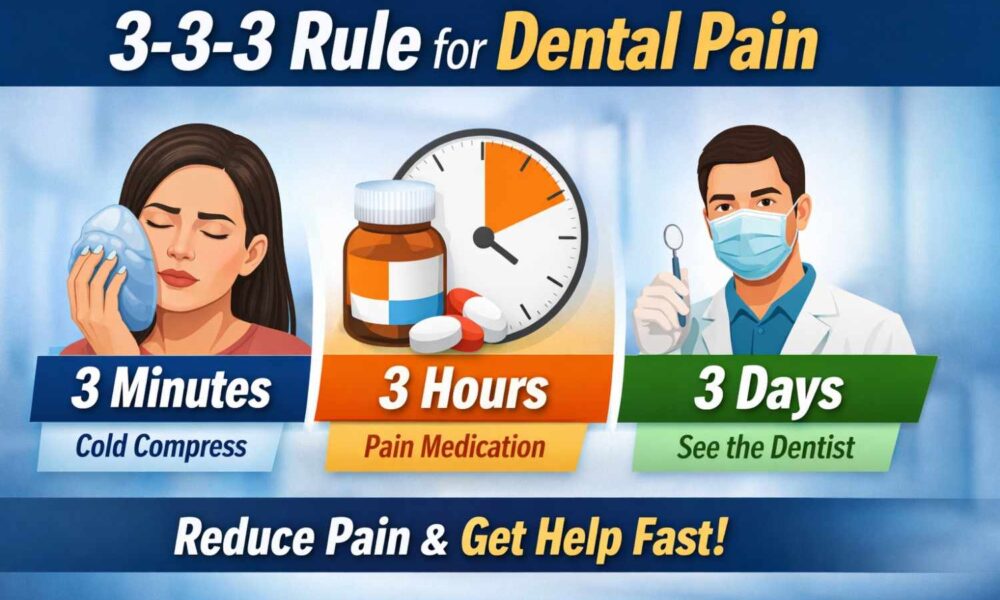
The 3-3-3 rule is a simple, over-the-counter strategy for managing acute dental pain. It involves taking three 200mg ibuprofen tablets (totaling 600mg) every three hours, for no more than three days.
This NSAID (non-steroidal anti-inflammatory drug) dosage reduces swelling and inflammation around the affected tooth, providing temporary relief from symptoms like sharp pain or sensitivity.
Ibuprofen inhibits prostaglandins, chemicals that amplify pain signals in confined spaces like tooth pulp, but always with caveats for safe use.
Unlike acetaminophen, which only masks pain, ibuprofen tackles the root of inflammation like bacterial infections or trauma. For example, in cases of pulpitis (nerve inflammation), this rule can buy time before a root canal or filling.
- Tooth Decay and Cavities: Bacteria erode enamel, exposing nerves and causing sharp pain. The rule eases inflammation while you schedule a filling.
- Gum Infection (Gingivitis or Periodontitis): Gum disease symptoms involve bleeding and swelling; ibuprofen reduces these temporarily.
- Abscess or Infection: Pus buildup leads to throbbing; use the rule for initial control, but antibiotics may be needed.
- Post-Dental Procedure Discomfort: After extractions or fillings, it manages residual soreness.
Streptococcus mutans (a cavity-causing bacterium) underscore infection risks. Start with a clean mouth—rinse with saltwater—before dosing. If pain disrupts sleep or eating, this protocol aligns with intents for “emergency toothache relief,” but monitors for worsening.
Ibuprofen, a key entity in pain management, acts as a cyclooxygenase inhibitor, blocking enzymes that produce inflammatory mediators. In dental contexts, tooth pain often arises from pressure in the rigid tooth structure—swelling has nowhere to expand, intensifying discomfort.
The “3-3-3” structure ensures therapeutic levels without overload: 600mg every three hours maintains steady blood concentration for anti-inflammatory effects.
Compare it to alternatives:
- Acetaminophen: Better for non-inflammatory pain but lacks swelling reduction.
- Aspirin: Similar to ibuprofen but risks stomach irritation.
Always pair with oral hygiene: Brush gently and avoid irritants like hot foods. This approach satisfies intents for “natural tooth pain remedies,” though it’s pharmacological.
Safety is paramount—misuse can lead to complications. Consult a healthcare provider before starting, especially if you have:
- Kidney or Liver Issues: Ibuprofen strains these organs; chronic kidney disease increases risks.
- Stomach Ulcers or GI Bleeding History: NSAIDs can exacerbate these.
- Pregnancy or Breastfeeding: Avoid in the third trimester due to fetal risks.
- Allergies or Asthma: Some experience reactions.
- Age Restrictions: Not for children under 12; adjust for teens.
Common side effects include nausea, dizziness, or heartburn. These ibuprofen overdose symptoms” warn against exceeding three days—prolonged use risks rebound pain or masking serious issues like sepsis from untreated infections.
Hydrate well and take with food. If on medications like blood thinners, interactions could occur. For intents like “safe dosage for tooth pain,” stick to 200mg tablets; generics work as well as brands.
Transition from home care to expert help when the 3-3-3 rule falls short. Dentists diagnose via X-rays and exams, treating causes like:
- Root canals for nerve damage.
- Antibiotics and drainage for infections.
- Scaling for gum disease.
At ADS Dental Hospitals, we specialize in comprehensive dental pain management. Our team uses advanced diagnostics to identify periapical abscesses quickly. We offer same-day appointments for emergencies, ensuring minimal wait times.
How ADS Dental Hospitals handles your case:
- Initial Assessment: Thorough exam to pinpoint pain sources, using tools like digital imaging.
- Custom Treatment Plans: From fillings to periodontal therapy, tailored to your needs.
- Pain-Free Procedures: Sedation options for anxious patients.
- Follow-Up Care: Preventive advice to avoid recurrence.
Don’t let pain linger—book now for lasting relief.
The 3-3-3 rule For Dental pain which offers effective, temporary toothache relief by curbing inflammation with ibuprofen.
If dental pain disrupts your life, contact ADS Dental Hospitals today. Our experts provide swift, affordable solutions to restore your smile. Schedule your consultation now—relief is just an appointment away.