
 By ADS International
Ever wondered why your dentist nags about brushing habits? In a world of quick fixes, the 2-2-2 rule in dentistry stands out as a timeless, easy-to-follow strategy for a healthier smile.
This guideline—brush your teeth twice a day for two minutes each time and visit the dentist twice a year—cuts through the noise of trendy oral care fads. Backed by dental experts, it’s proven to prevent cavities, gum disease, and costly treatments.
As we head into 2025, with rising awareness of oral-systemic health links, adopting the 2-2-2 rule in dentistry could be your best resolution yet. Let’s dive in.
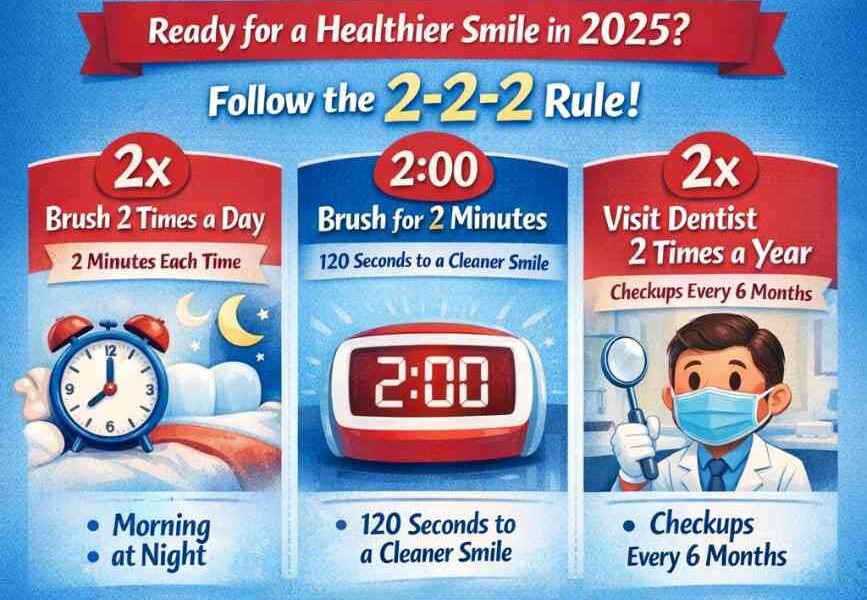
At its core, the 2-2-2 rule in dentistry is a mnemonic for optimal oral hygiene: two brushes daily, two minutes per session, and two dental visits annually. It’s designed for everyone—from kids building habits to adults maintaining them.
Here’s a quick table to visualize it:
| Element | Details | Key Benefit |
| 2 Brushes a Day | Morning after breakfast and before bed | Removes daily plaque and bacteria buildup |
| 2 Minutes Each | Full 120 seconds with proper technique | Ensures thorough cleaning of all surfaces |
| 2 Visits a Year | Checkups every six months | Early detection and professional cleaning |
Some variations, like the 2-1-2 rule, add flossing once daily for extra gum protection. But the classic 2-2-2 rule in dentistry remains a staple because it’s simple and effective.
Look into our resource about: 3-3-3 Rule For Dentistry
Science supports the 2-2-2 rule in dentistry. Plaque, a sticky film of bacteria, forms on teeth within hours of eating. If not removed, it hardens into tartar, leading to decay and inflammation.
Brushing twice daily disrupts this cycle, reducing cavity risk by up to 60%. The two-minute duration is crucial—studies show shorter brushes leave behind 40% more plaque, increasing gum disease odds.
Biannual dentist visits allow for professional scaling, fluoride applications, and early intervention. In 2025, with advanced tools like AI-driven diagnostics, these checkups catch issues like oral cancer sooner, linking oral health to overall wellness (e.g., reduced heart disease risk).
For children, the 2-2-2 rule in dentistry fosters lifelong habits, preventing orthodontic needs later. It’s not just about teeth—it’s preventive medicine.
Ready to apply the 2-2-2 rule in dentistry? Start with brushing: Use a soft-bristled toothbrush and fluoride toothpaste. Hold at a 45-degree angle to your gums, using gentle circular motions. Divide your mouth into quadrants—30 seconds each—to hit the full two minutes.
Electric brushes with timers make it foolproof. Morning brushes clear overnight bacteria; nighttime ones remove the day’s debris, when saliva flow slows and risks rise. Pair with flossing to reach interdental spaces.
For visits, schedule in January and July for consistency. Expect cleanings, exams, and personalized advice. In 2025, many clinics offer virtual reminders or tele-dentistry for follow-ups.
Pro tips: Use apps for habit tracking, and for kids, turn it into a game with flavored pastes. Diet matters too—limit sugary snacks to support the rule.
Even with the 2-2-2 rule in dentistry, pitfalls abound. Rushing brushes? Set a timer—most people average only 45 seconds. Brushing too hard erodes enamel; opt for gentle pressure. Skipping nighttime? That’s when bacteria thrive most.
Forgetting visits? Life gets busy, but untreated issues escalate costs. Myth: No pain means no problems—cavities often start silently. Fix by booking both appointments at once.
Does the 2-2-2 rule in dentistry work for everyone?
Yes, but adapt for toddlers (parent-assisted) or those with braces (extra tools like water flossers).
What if I miss a brush?
One slip isn’t disastrous, but consistency prevents buildup.
Is two minutes really necessary?
Absolutely—it’s the minimum for effective plaque removal.
How do I make visits less scary?
Choose a welcoming clinic; 2025 tech like painless lasers helps.
The 2-2-2 rule in dentistry isn’t revolutionary—it’s reliably effective. By committing to twice-daily two-minute brushes and biannual visits, you’ll enjoy fresher breath, fewer fillings, and a confident smile.
In 2025, prioritize this rule amid busy lives; your future self will thank you. Start today—grab that timer and book your next checkup. What’s your biggest oral health challenge? Share in the comments!